
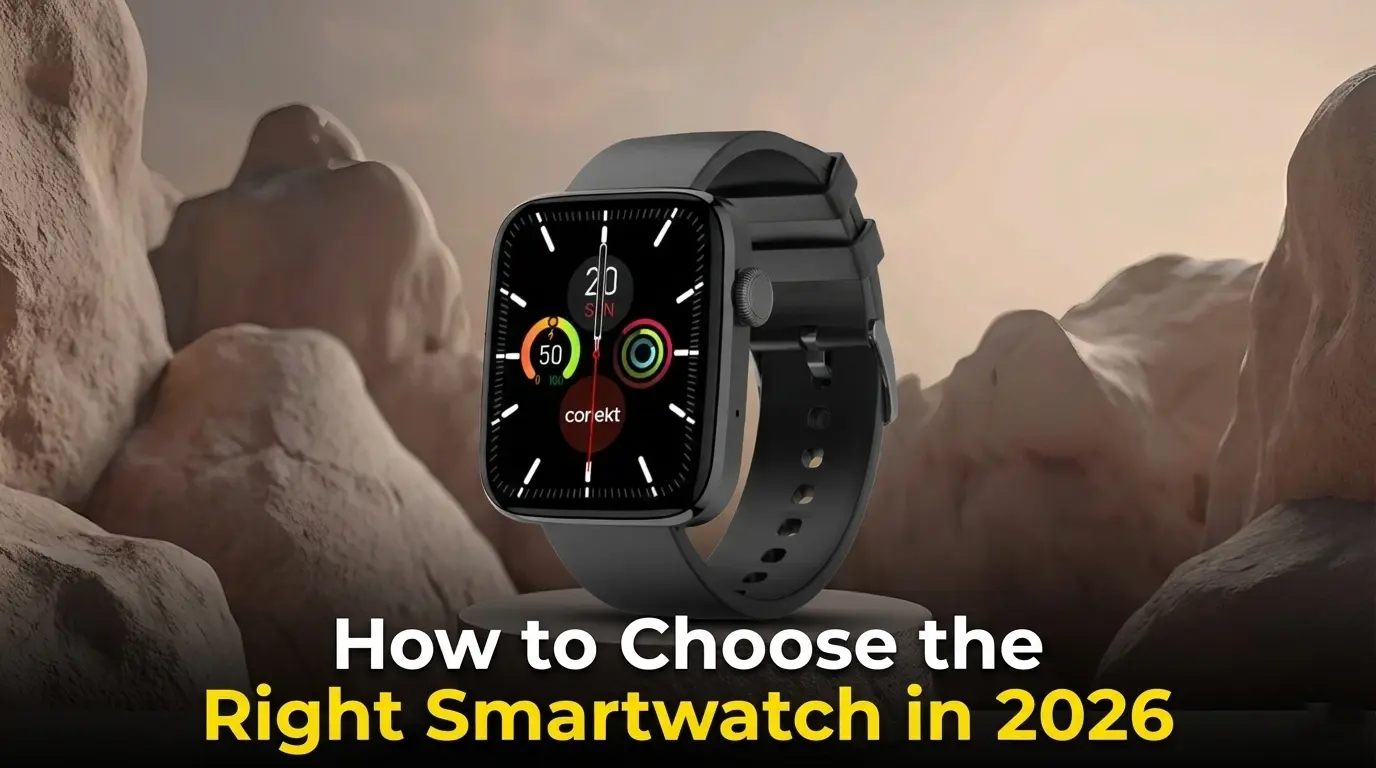
Shopping for a smartwatch can feel overwhelming with dozens of brands and hundreds of models flooding the market. Whether you’re a fitness enthusiast tracking your morning runs, a busy professional managing notifications, or someone who simply wants to stay connected without constantly checking your phone, finding the perfect smartwatch requires knowing what to look for. This guide walks you through everything you need to consider before making your purchase.
Understanding Your Smartwatch Needs
Before diving into specifications and features, take a moment to think about how you’ll actually use your smartwatch. Are you primarily interested in fitness tracking and health monitoring? Do you need it to handle calls and messages throughout your workday? Or maybe you’re looking for a stylish accessory that happens to have smart features?
Your lifestyle plays a huge role in determining which smartwatch will serve you best. Someone training for a marathon has very different needs compared to a business executive who wants quick access to emails and calendar notifications. Understanding your priorities helps narrow down the options significantly.
Operating System Compatibility
One of the first decisions you’ll make is choosing between different smartwatch ecosystems. This choice often depends on which smartphone you’re currently using.
Apple Watch vs. Android Smartwatches
If you own an iPhone, the Apple Watch remains the most seamless choice for integration. It connects effortlessly with your phone, handles messages beautifully, and works perfectly with other Apple devices you might own. However, Android users have plenty of excellent options too.
Wear OS watches from brands like Samsung, Google, and others offer fantastic functionality for Android users. Samsung’s Galaxy Watch series, in particular, has earned praise for its stunning displays and comprehensive health features. Many Android smartwatches also work with iPhones now, though with limited functionality.
Third-Party Options
Brands like Garmin and Fitbit have developed their own operating systems that work with both Android and iOS. These watches often excel in specific areas like fitness tracking or battery life, making them worth considering even if they don’t offer the same app ecosystem as Apple or Google.
Health and Fitness Tracking Features
Modern smartwatches have become incredibly sophisticated health monitoring devices. Here’s what you should look for:
Essential Health Sensors
- Heart Rate Monitoring: Nearly all smartwatches now include continuous heart rate tracking. Look for models that offer heart rate variability (HRV) measurements for deeper insights into your overall health and stress levels.
- Sleep Tracking: Quality sleep tracking has become a standard feature. The best watches monitor your sleep stages, provide insights into sleep quality, and offer personalized recommendations for improvement.
- Blood Oxygen (SpO2): This feature measures oxygen saturation in your blood, which can be helpful for monitoring respiratory health and altitude training.
- ECG Capability: Higher-end models include electrocardiogram functionality that can detect irregular heart rhythms and potentially identify atrial fibrillation.
- Stress Tracking: Many smartwatches now measure stress levels throughout the day and suggest breathing exercises when stress levels rise.
Workout and Activity Tracking
If fitness is your main focus, pay attention to these features:
- GPS accuracy for outdoor activities and running
- Water resistance rating for swimming and water sports
- Number of pre-loaded sport profiles
- Training readiness and recovery metrics
- VO2 max estimation for tracking cardiovascular fitness
Battery Life Considerations
Battery performance varies dramatically across different smartwatch models. Apple Watches typically last one to two days on a single charge, which means nightly charging becomes part of your routine. Some Wear OS watches offer similar battery life, though newer models are pushing toward multi-day performance.
On the other hand, fitness-focused brands like Garmin often deliver impressive battery longevity. Some models can run for weeks in smartwatch mode or up to 50 hours with continuous GPS tracking. If you frequently travel or simply don’t want to worry about charging constantly, prioritize watches with longer battery life.
Display Quality and Size
The display is your primary interface with the smartwatch, so it deserves careful consideration. AMOLED screens offer vibrant colors and deep blacks, making them easy to read in most lighting conditions. Always-on display functionality lets you check the time with a quick glance without raising your wrist or tapping the screen.
Size matters too. Larger displays provide more screen real estate for viewing information and interacting with apps, but they can feel bulky on smaller wrists. Most brands offer multiple size options, so you can choose what feels comfortable. Generally, cases ranging from 40mm to 46mm cover most preferences.
Smartphone Connectivity and Notifications
Staying connected is a major reason people buy smartwatches. Look for models that handle notifications intelligently, allowing you to quickly see and respond to messages without pulling out your phone. The best smartwatches let you customize which apps can send notifications, preventing alert overload.
Some watches include cellular connectivity, meaning they can make calls, send messages, and stream music independently from your smartphone. This feature adds to the cost but offers genuine freedom during workouts or when you’d rather leave your phone behind.
Build Quality and Design
You’ll be wearing this device every day, so comfort and style matter. Consider these aspects:
- Case Material: Aluminum keeps costs down while remaining lightweight. Stainless steel offers a premium look and better durability. Titanium combines strength with light weight but comes at a higher price.
- Water Resistance: Most smartwatches now offer at least 5 ATM water resistance, suitable for swimming. Serious divers should look for higher ratings.
- Band Options: Check whether you can easily swap bands. Having multiple band styles lets you switch between sporty looks for the gym and elegant options for formal occasions.
- Button Layout: Physical buttons or a rotating crown can make navigation easier than relying solely on touchscreen gestures.
Price Range and Value
Smartwatch prices span a wide spectrum. Budget-friendly options starting around $100 offer basic fitness tracking and notifications. Mid-range watches between $200 and $400 typically include comprehensive health features, good build quality, and solid battery life.
Premium models above $400 deliver the best displays, premium materials, advanced health sensors, and longer software support. However, spending more doesn’t always mean getting a better watch for your needs. A $250 watch might serve you perfectly if you mainly want fitness tracking and basic smart features.
Additional Features to Consider
Music Storage and Playback
Many smartwatches let you store music directly on the device or control playback from streaming services. This feature is fantastic for runs or gym sessions when you don’t want to carry your phone.
Payment Capabilities
Contactless payment through services like Apple Pay, Google Pay, or Samsung Pay has become standard on most smartwatches. It’s incredibly convenient for quick purchases without needing your wallet.
Voice Assistants
Built-in voice assistants let you set timers, check weather, control smart home devices, and more using just your voice. The integration quality varies by brand and platform.
Making Your Final Decision
Choosing the right smartwatch ultimately comes down to matching features with your personal needs and budget. Start by identifying your must-have features, then narrow down models that meet those requirements within your price range.
Read reviews from trusted sources and, if possible, try on different models in stores to get a feel for size and comfort. Pay attention to long-term factors like software update policies, as regular updates keep your watch secure and add new features over time.
Remember that the best smartwatch for you is the one you’ll actually wear and use every day. Don’t get caught up chasing every cutting-edge feature if you won’t realistically use them. Sometimes a simpler, more affordable option serves you better than a feature-packed premium model.
Conclusion
Selecting the perfect smartwatch in 2026 doesn’t have to be complicated. Focus on what matters most to you: whether that’s fitness tracking, staying connected, health monitoring, or simply having a stylish tech accessory on your wrist. Consider your smartphone ecosystem, evaluate battery life against your charging habits, and choose a design that matches your style.
With the right research and a clear understanding of your priorities, you’ll find a smartwatch that enhances your daily life without breaking the bank. Take your time, compare options, and don’t hesitate to invest in a device that truly meets your needs. Your wrist will thank you.
What features are most important to you in a smartwatch? Share your thoughts in the comments below, and let us know which model you’re considering!
How long do smartwatches typically last before needing replacement?
Most quality smartwatches last 3-5 years with regular use. The battery capacity gradually decreases over time, and eventually, software updates may slow performance. However, with proper care, many users keep their watches functional even longer.
Can I use a smartwatch without owning a smartphone?
While some smartwatches with cellular connectivity can function independently, most require pairing with a smartphone for initial setup and full functionality. Without a phone, you’ll lose access to many features like app installations and syncing health data.
Are smartwatches safe for people with pacemakers?
Most modern smartwatches are safe for people with pacemakers, but it’s essential to consult your doctor before using one. Keep the watch at least six inches away from your pacemaker, and avoid using the ECG feature if your device has one.
Do I need cellular connectivity on my smartwatch?
Cellular connectivity is optional and depends on your lifestyle. It’s valuable if you want to leave your phone behind during workouts, emergencies, or brief outings. However, it increases the watch price and requires a monthly data plan from your carrier.
How accurate are smartwatch fitness trackers?
Smartwatch fitness tracking accuracy has improved significantly. Step counting and heart rate monitoring are generally reliable, with 90-95% accuracy. GPS distance tracking is very accurate outdoors. However, calorie burn estimates can vary by 10-20% since they rely on algorithms and personal data inputs.