
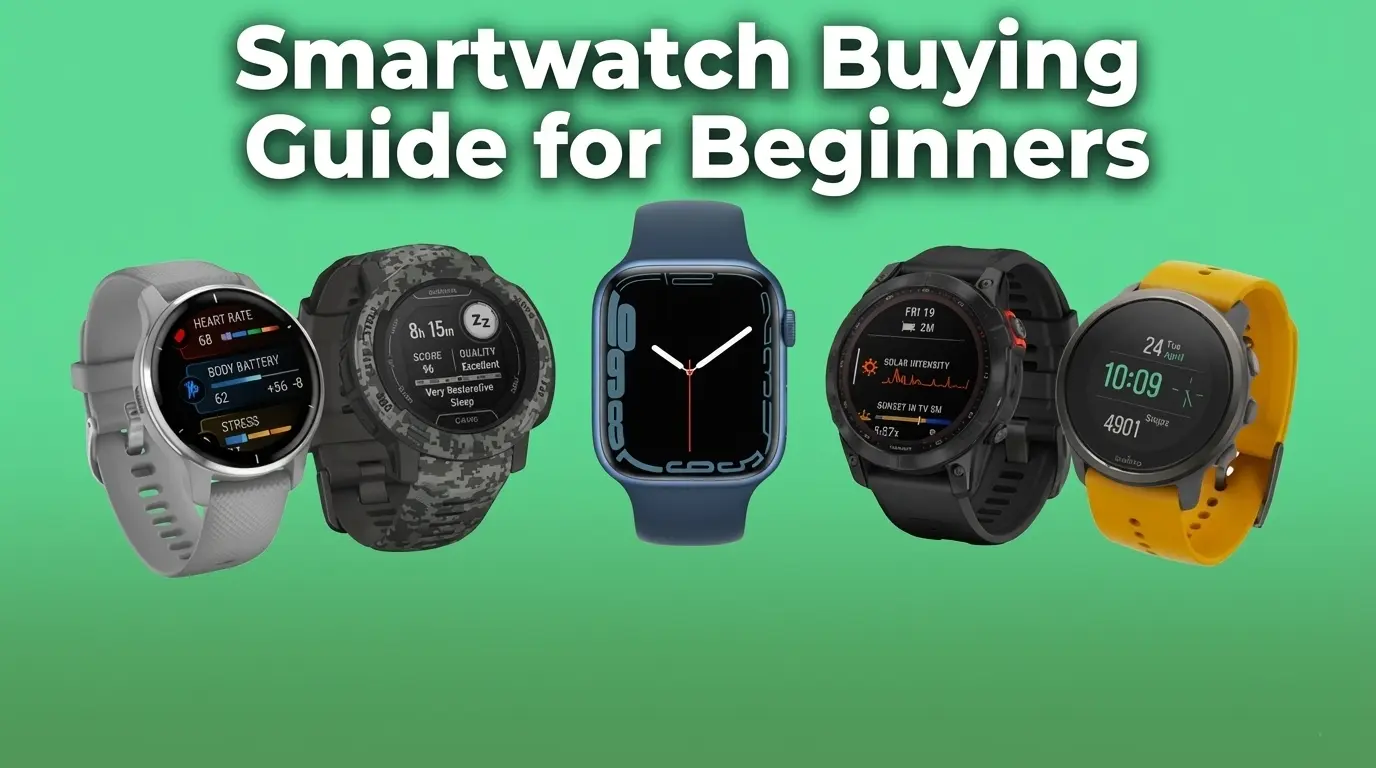
Shopping for your first smartwatch can feel overwhelming. With dozens of brands, hundreds of models, and endless features to compare, where do you even start? If you’ve been wondering whether a smartwatch is worth the investment or which one fits your lifestyle best, you’re in the right place.
This beginner-friendly guide walks you through everything you need to know before buying a smartwatch. We’ll cover essential features, budget considerations, compatibility issues, and practical tips that’ll help you make a confident decision. Whether you’re interested in fitness tracking, staying connected, or simply upgrading your wrist game, this guide has you covered.
What Exactly Is a Smartwatch?
Before diving into buying tips, let’s establish what makes a smartwatch “smart.” A smartwatch is essentially a wearable computer that sits on your wrist. Unlike traditional watches that only tell time, smartwatches connect to your smartphone and offer features like notifications, health monitoring, app support, and much more.
Think of it as a mini smartphone extension that keeps you connected without constantly pulling out your phone. You can read messages, track workouts, monitor your heart rate, make payments, and even answer calls all from your wrist.
Why Should You Consider Buying a Smartwatch?
The appeal of smartwatches goes beyond just looking tech-savvy. Here are some compelling reasons people are making the switch:
Health and Fitness Tracking: Most smartwatches come equipped with sensors that monitor your heart rate, count steps, track sleep patterns, and calculate calories burned. Some advanced models even detect irregular heart rhythms and measure blood oxygen levels.
Convenience: Getting notifications on your wrist means you can stay informed without interrupting what you’re doing. This is especially handy during meetings, workouts, or when your phone isn’t easily accessible.
Productivity: Set reminders, manage your calendar, check the weather, and use various productivity apps right from your wrist.
Payment Options: Many smartwatches support contactless payments, making checkout lines faster and more convenient.
Key Features to Look for in Your First Smartwatch
When shopping for an affordable smartwatch, focus on features that match your actual needs. Here’s what matters most:
Display Type and Quality
Smartwatch displays come in different types—AMOLED, LCD, and e-ink. AMOLED displays offer vibrant colors and deep blacks, making them easier to read in various lighting conditions. The screen size matters too. Smaller displays (around 1.2 inches) work better for petite wrists, while larger screens (1.4 inches and above) provide better visibility but may feel bulky.
Battery Life
Battery life varies dramatically across smartwatch models. Some budget smartwatches last only a day, requiring nightly charging. Others, particularly fitness-focused models with simpler displays, can run for a week or more.
Consider your lifestyle. If you’re always near a charger, daily charging might not bother you. However, if you travel frequently or want a watch that tracks your sleep, longer battery life becomes crucial.
Water Resistance
Water resistance is measured in ATM ratings or IP ratings. A 5ATM rating means the watch can withstand pressures equivalent to 50 meters underwater, making it suitable for swimming. If you plan to wear your smartwatch in the shower or pool, look for at least a 3ATM or IP68 rating.
Fitness and Health Tracking
Most smartwatches track basic activities like steps, distance, and calories. More advanced models include:
- Heart rate monitoring (continuous or on-demand)
- GPS tracking for outdoor activities
- Sleep quality analysis
- Stress level monitoring
- Blood oxygen saturation measurement
- Menstrual cycle tracking
Decide which health metrics matter to you. If you’re a serious runner, built-in GPS is essential. For general fitness awareness, basic step counting and heart rate tracking might suffice.
Smart Features and App Ecosystem
The smartwatch operating system determines which apps you can use. Popular options include:
Wear OS: Offers the widest app selection and works best with Android phones, though it’s compatible with iPhones too.
watchOS: Exclusive to Apple Watch, providing seamless integration with iPhones and the Apple ecosystem.
Proprietary Systems: Many brands use their own systems, which may have limited app selections but often focus on fitness and basic smart features.
Compatibility: Making Sure Your Watch Works with Your Phone
This is absolutely critical—not all smartwatches work with all smartphones. Here’s the breakdown:
If you have an iPhone, your best bet is an Apple Watch, which offers the most seamless integration. Some Wear OS watches also work with iPhones, but functionality is limited.
Android phone users have more flexibility. Most smartwatches (except Apple Watch) work with Android devices. Wear OS watches offer the deepest integration, while brand-specific systems like Samsung’s Tizen work best with Samsung phones.
Always check compatibility requirements before purchasing. Some features might only work with specific phone brands or operating system versions.
Budget Smartwatch Options: What Can You Get at Different Price Points?
Smartwatch prices range from under ₹3,000 to over ₹10,000. Here’s what to expect at different price ranges:
Under ₹3000
Entry-level smartwatches and fitness trackers dominate this range. Expect basic fitness tracking, notification support, and simpler displays. Battery life is often excellent (5-7 days), but advanced features are limited. This is perfect for first-time buyers who want to test the waters without major investment.
₹5,000
This sweet spot offers the best value for beginners. You’ll find reliable fitness tracking, decent build quality, better displays, and more comprehensive smart features. Many popular brands offer solid models in this range with good app support and regular updates.
₹10,000
Premium smartwatches with advanced health sensors, premium materials, always-on displays, LTE connectivity, and longer support periods. Unless you need specific premium features, most beginners find mid-range options more practical.
Fitness Tracker vs Smartwatch: Which Should You Choose?
This is a common dilemma. Fitness trackers focus primarily on health and activity monitoring, offering longer battery life and simpler interfaces. They’re typically cheaper and lighter.
Smartwatches provide fitness tracking plus comprehensive smart features—apps, notifications, music control, and more. They’re more versatile but usually more expensive with shorter battery life.
Choose a fitness tracker if your primary goal is health monitoring and you want minimal distractions. Opt for a smartwatch if you want a more connected experience and don’t mind charging more frequently.
Design and Comfort: More Important Than You Think
You’ll wear this device daily, so comfort matters. Consider:
Size and Weight: A watch that’s too large or heavy becomes uncomfortable quickly. Try different sizes if possible, especially if you have smaller wrists.
Band Material: Silicone bands are durable and water-friendly but may cause sweating. Leather looks sophisticated but isn’t ideal for workouts. Metal bands are stylish but heavier. Many watches offer interchangeable bands, giving you flexibility.
Watch Face Customization: The ability to change watch faces keeps things fresh and lets you match your style or mood.
Additional Features Worth Considering
GPS Functionality
Built-in GPS lets you track outdoor activities without carrying your phone. This is valuable for runners, cyclists, and hikers. However, GPS significantly drains battery life.
Music Storage and Playback
Some smartwatches let you store music directly on the device, perfect for phone-free workouts. Others only control music playback on your phone.
Voice Assistants
Integrated voice assistants (Siri, Google Assistant, Alexa) let you set reminders, check weather, or control smart home devices using voice commands.
NFC for Payments
Contactless payment support is incredibly convenient once you start using it. Check if your preferred payment service (Apple Pay, Google Pay, etc.) is supported.
Common Mistakes to Avoid When Buying Your First Smartwatch
- Ignoring compatibility requirements – Always verify your phone is supported before buying.
- Focusing solely on price – The cheapest option isn’t always the best value. Consider long-term support and update availability.
- Overlooking battery life – If you hate charging devices frequently, prioritize battery life over flashy features.
- Buying the wrong size – A watch that’s too large or too small looks awkward and feels uncomfortable.
- Not checking water resistance – If you plan to wear it while swimming or showering, water resistance is essential.
- Ignoring the return policy – Buy from retailers with good return policies so you can test the watch in real-world conditions.
Making Your Final Decision
After considering all factors, here’s a simple decision framework:
Start by identifying your primary use case. Are you mainly interested in fitness tracking, staying connected, or both? This narrows down your options significantly.
Next, set a realistic budget. Remember that you might need to buy additional bands or accessories, so leave some wiggle room.
Check compatibility with your smartphone—this is non-negotiable.
Compare 3-4 models within your budget that meet your primary needs. Read recent user reviews focusing on battery life, comfort, and long-term reliability.
Finally, consider the brand’s reputation for software updates. A smartwatch that receives regular updates stays relevant and secure longer.
Conclusion
Buying your first smartwatch doesn’t have to be complicated. By focusing on compatibility, essential features, and your actual needs rather than marketing hype, you’ll find a device that genuinely improves your daily life.
Remember, the best smartwatch for beginners isn’t necessarily the most expensive or feature-packed—it’s the one that fits your lifestyle, works with your phone, and stays within your budget. Start with what you need today, and you can always upgrade as you discover how you actually use it.
Ready to make your choice? Take your time, do your research, and don’t hesitate to ask questions in stores or online communities. What features matter most to you? Share your thoughts in the comments below!
How long do smartwatches typically last?
Most smartwatches last 2-5 years depending on usage and care. Battery performance degrades over time, usually becoming noticeable after 2-3 years. Regular software updates and quality construction extend lifespan. Premium models typically last longer than budget options.
Can I use a smartwatch without a smartphone?
Some smartwatches with LTE connectivity can work independently for calls, texts, and limited apps. However, most smartwatches require initial setup with a smartphone and function best when connected. Basic features like time, alarms, and fitness tracking usually work without a phone connection.
Are cheap smartwatches worth buying?
Budget smartwatches can be worthwhile for basic fitness tracking and notifications, especially for first-time users. However, they often have shorter battery life, fewer apps, and may lack software updates. If you’re unsure about long-term smartwatch use, starting cheap makes sense. Otherwise, mid-range options offer better value.
Do I need a smartwatch with cellular connectivity?
Cellular connectivity is useful if you want to leave your phone behind during activities while staying reachable. However, it adds cost (both upfront and monthly service fees) and drains battery faster. Most people find Bluetooth connectivity sufficient, especially if they usually have their phone nearby.